If you walk into any baby registry store or scroll through social media, you are flooded with options for baby lounger nests, automatic swings, bouncers, and upright seats. They look so cozy, the fabrics are soft and luxurious and —they give your arms a much-needed break!
Yet, if you ask a pediatric physical therapist, they will always tell you the same thing: the floor is the absolute best place for your baby.
Why the pushback against these comfy "containers"? It all comes down to how a baby naturally builds strength and how that development of neck and trunk strength and thus motor skills, can be delayed by unintentioanlly overusing these devices that are marketed by their appealing patterns, textures and designs.
What qualifies as a container? Pretty much anything that holds your baby in place, including:
- Infant swings and bouncers
- Car seats and strollers
- Floor seats and standing activity centers
- Plush loungers and contoured pillows
When a baby spends their day moving from one piece of gear to another, their natural movement is restricted. Over time, this lack of free movement can lead to flat spots on the back of the head (positional plagiocephaly), tight neck muscles (torticollis), and delayed motor milestones like rolling, sitting up, and crawling.
What qualifies as “too much time” in containers? Your baby should spend some time in every awake window unrestrained on a firm mat or surface. This could be the floor, a pack n play, inside the safety of a play yard, and even after diaper changes on your changing table with you next to them. A small floor mat can be moved easily from kitchen to bathroom and everywhere in between. When you have a reason that you need to use a “container,” limit your baby’s time to 10-20 minutes max. Aim for using containers less than 2 hours in a day (including car seat and stroller time), as well as aiming for floor time to be at least double the container time in a day.
Is a wearable baby sling considered a container? No, wearing your newborn baby in a sling with proper positioning provides a multitude of benefits to your 0-4 month old baby. I would never discourage from babywearing, however be mindful to take breaks for both of you to get the natural, active and unrestrained movement that baby needs on the floor and that you need.
The Secret of the Safety Straps What all of these swings, seats, and positioners have in common is a safety strap or a built-in stabilizer across your baby’s hips. While entirely necessary for safety when using these products, these straps take the place of your baby’s own core muscles being activated and responding to external sensory input which inhibits strength building.
Because infants under 4 months old cannot sit up on their own, containers prop them into upright or reclined postures. When a device does the stabilizing work for them, your baby’s core muscles get to take a break instead of learning how to switch on.
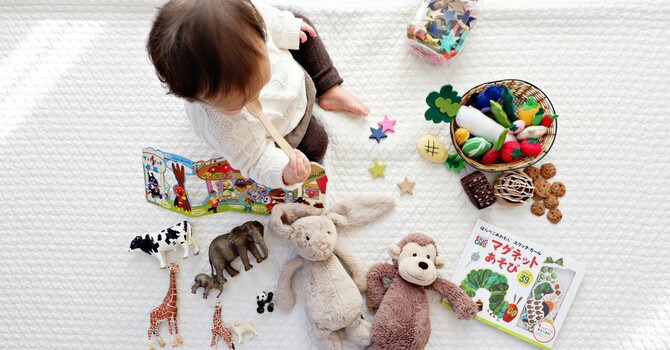
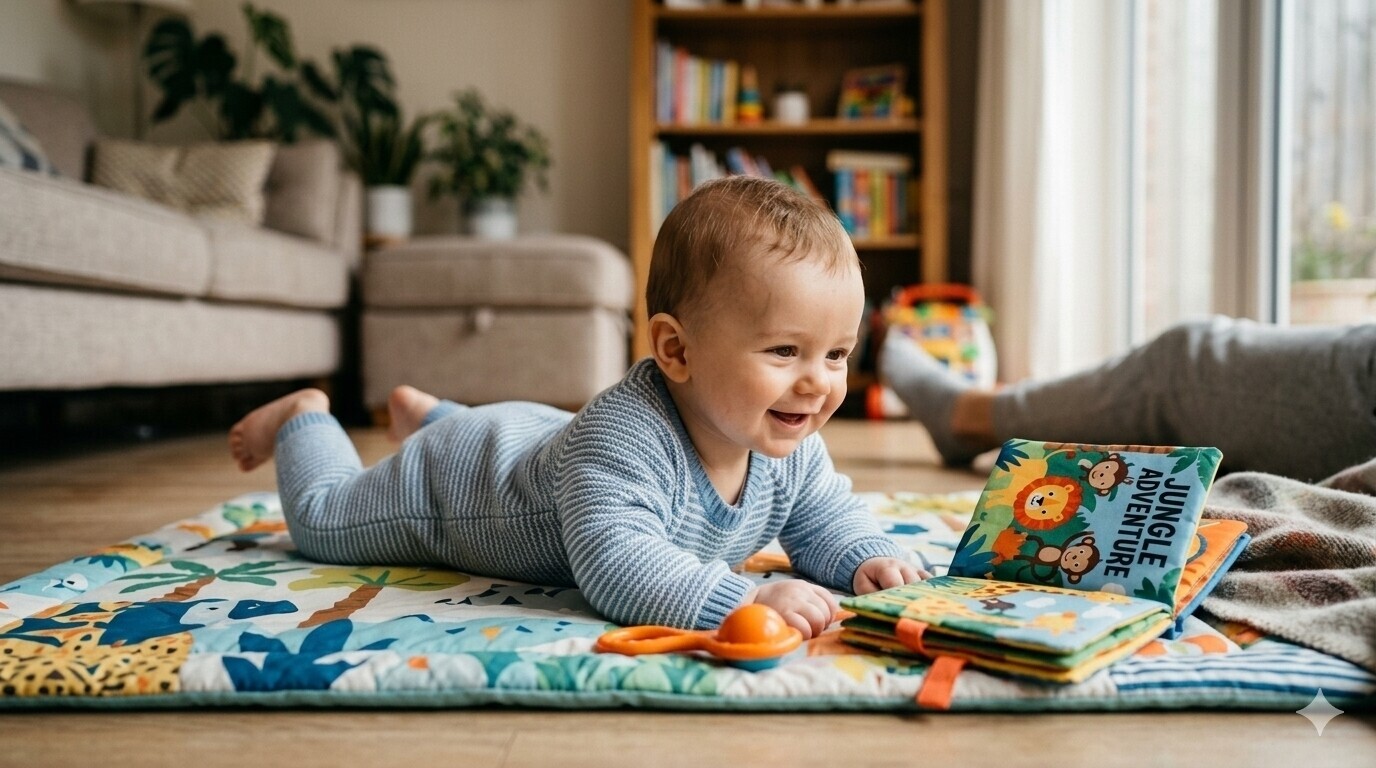
What Happens on the Floor? In the first 4-6 months of life, the main goals for large muscle development are neck and trunk stability and symmetry. When your baby is placed flat on their back on a playmat or blanket on the floor, the force of gravity on their body is reduced and they experience complete freedom of movement.
They practice:
- Kicking their legs freely against the surface and raising their hips using their core.
- Squirming back and forth to feel their body in space and move their trunk in all directions. Bringing their hands to their mouth to self-soothe.
- Midline orientation of the head- working both sides of the neck equally to maintain functional visual skills
- Rotating their head fully from side to side in response to visual, auditory and tactile stimuli. Unrestricted active movement against gravity is exactly what we want to see. However, if the surface beneath them is too cushy (like a lounge pod) or a contoured pillow that cradles their head (as in bouncy seats), their visual and physical range of motion are restricted.
Try the "Rotisserie" Approach Think of your floor time sessions like turning baby completely in a circle to allow tactile and proprioceptive stimulation on all sides of their body. By rotating in a complete circle, they also receive vestibular stimulation to support preparation for independent rolling.
Stay in each position as long as they are comfortable:
- Start on the back: Let them stretch, look around, and kick at toys that make noise.
- Roll to the side: Help them roll onto one side to look into a mirror. Suction a spinner toy to the mirror for them to watch.
- Roll to the belly: Roll from their side to tummy time for as long or short as they are comfortable. Put the mirror in front or to their sides, and spin your toys. Resting their head while on their tummy is also great, and provides important sensory input to the cheeks, jaw and mouth. Practice full rotation of their head, completely resting from one cheek to the other.
- Roll to the opposite side: Give the other side equal practice. Notice how they can lift and stretch the top arm more easily. They are working on balancing on their side using core muscles to maintain that position.
- Finish on the back: Return full circle.
Safe Alternatives for Busy Households It is completely understandable that leaving a newborn on the living room floor isn't always practical—especially if you have excitable or larger family pets or active older siblings running around! If you need a safe zone that still promotes movement, try these:
- A Portable Pack 'n Play: This keeps your baby elevated and perfectly safe from foot traffic, but still provides a firm, flat surface where they can move unrestricted and watch the action around the room.
- A Play Yard: While not easily mobile, a larger gated play area is fantastic for bigger living rooms. It creates a dedicated space to contain your baby safely away from siblings or pets. This may be especially helpful when older siblings have toys that may be choking hazards to the baby.
When pets and siblings aren’t an issue, get comfortable moving a small mat around with you from room to room. Remember, they aren’t yet crawling away, so you have some precious time to enjoy this stage.
What if My Baby Has Torticollis or Asymmetry? If your baby is currently working through muscle tension or other asymmetries—such as torticollis, trunk tightness, or plagiocephaly (a flat area on one side of the head)—you might worry that floor play isn't right for your baby. You might even think or have been told you should avoid putting a baby with plagiocephaly on their back altogether. In reality, the floor remains the best place for your baby to work through muscle tightness. By intentionally setting up the environment, you can turn floor time into a therapy session. Be mindful of where you place toys, where you sit to talk to them, and where the natural light, sounds, and action are coming from in the room so they are encouraged to move into the side that is more restricted. You can easily encourage your baby to actively stretch their neck and trunk just by changing which side they are looking to to see what is happening!
Balance is Everything Every family needs a safe place to put the baby down out of reach of hazards. The goal is to treat the containers you choose to use wisely and use in moderation. Aim to limit container time to short, purposeful 15-to-20 minute breaks, and give your little one plenty of opportunities to explore the wide-open floor space during their awake windows!
BONUS: More active floor time during awake windows promotes more restful sleep!

Michele Brown
Contact Me